

The peak of summer brings a universal challenge for property owners and businesses alike: staying comfortable while managing soaring operational costs. When outdoor temperatures climb, indoor cooling systems face their heaviest workload of the year. This sudden strain can lead to unpredictable utility bills, decreased indoor air quality, and an elevated risk of untimely equipment breakdowns or property damage.
Fortunately, managing a comfortable and secure indoor climate doesn’t require a complete system overhaul. By implementing a few strategic, energy-efficient adjustments, you can optimize your environment, protect your budget, and shield your property from unexpected seasonal liabilities.
Here are five actionable ways to beat the summer heat while strengthening your risk management strategy.
1. Optimize Airflow and Lighten the Load on Your Electrical System
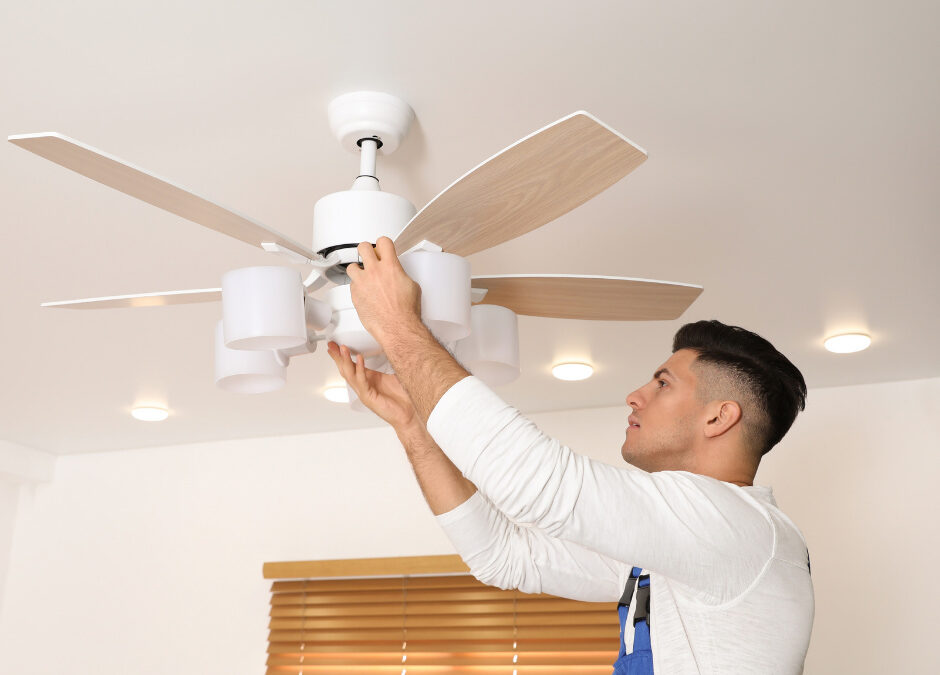
Many people overlook the mechanical settings of their existing fixtures. For maximum cooling efficiency during hot weather, ceiling fans must be set to rotate counter-clockwise at a medium-to-high speed.
-
- The Benefit: This rotation creates a downward aerodynamic breeze, generating a “wind-chill” effect. While it doesn’t lower the actual room temperature, it makes the environment feel up to four degrees cooler, allowing you to raise your thermostat setting without sacrificing personal comfort.
- The Insurance Connection: Lowering the baseline demand on your electrical panel reduces the risk of overloaded circuits and electrical fires—one of the leading causes of property claims during peak summer months.
2. Mitigate Solar Heat Gain and Protect Interior Assets
Windows are often the primary source of thermal transfer in a building. When direct sunlight streams through uncovered glass—particularly on east- and west-facing walls—it creates a greenhouse effect that traps radiant heat indoors.
To combat this, close window blinds, drapes, or solar shades during peak daylight hours (typically between 11:00 AM and 4:00 PM). Preventing solar heat gain before it penetrates your interior spaces significantly reduces the cooling load on your primary air conditioning system. Additionally, blocking these harsh UV rays protects high-value interior assets, furniture, and inventory from sun bleaching and heat degradation.
3. Strategize High-Heat Appliance Usage to Prevent Overheating
Internal heat generation can quietly sabotage your indoor climate control. Major appliances—including clothes dryers, dishwashers, and ovens—release substantial amounts of ambient heat and humidity into sealed environments.
Running these appliances during the hottest parts of the day forces your climate control system to work twice as hard to maintain equilibrium. Shift heavy appliance usage to early morning or late evening hours. This keeps the baseline indoor temperature lower and minimizes the risk of appliance overheating, which can lead to sudden electrical shorts or mechanical failures while you are away from the property.
4. Eliminate Hidden Efficiency and Fire Hazards
Peak summer operation means your air filtration systems are working overtime to trap dust, pollen, and airborne particles. Over time, these filters become restricted, forcing the entire system to use more electricity to push air through clogged material.
Regularly inspecting and replacing air filters is one of the simplest, highest-return maintenance habits. Keeping filtration clear improves indoor air quality and lowers energy consumption by up to 15%. More importantly, clean filters prevent the HVAC motor from overheating, reducing the risk of a frozen system or a sudden condensation overflow that can cause costly water damage to ceilings and floors.
5. Leverage Smart Thermostat Scheduling for Property Safety
Leaving your cooling system at a single, static temperature 24/7 is a major source of energy waste. Modern property management relies on dynamic scheduling.
Program your thermostat to raise the temperature by 3 to 5 degrees when the building is unoccupied. However, avoid turning the system completely off. Maintaining a moderate, regulated temperature during heatwaves prevents excessive humidity buildup inside the property, which protects structural materials, electronics, and drywall from mold growth and moisture damage.
Protect Your Investment This Season
Proactive management is the most effective way to prevent mid-summer operational failures, high utility expenses, and sudden property losses. By making small, intentional adjustments to your daily routine and property maintenance, you can enjoy a refreshing, cost-effective, and secure indoor environment all summer long.
Is your property fully protected against unique summer risks? Don’t wait for a heatwave or a sudden storm to expose gaps in your coverage.
Contact Us to schedule a quick, comprehensive policy review. Let’s verify that your home or business assets are correctly valued and fully protected before the peak of the season arrives!
Ronnie Siniard Insurance, Dalton, Georgia, Beat The Summer Swelter, Keep Your Space Cool and Protected